Trading technology has changed the way people interact with financial markets. A modern best trading platform is no longer judged only by how quickly it can execute an order. Traders now expect intuitive interfaces, real-time market information, reliable execution, advanced charting, strong security, and access across multiple devices.
As markets become faster and more interconnected, trading platforms are evolving to address these expectations while making complex tools easier to use. The result is a shift from basic order-entry software toward complete digital environments designed around speed, accessibility, information, and risk management.
From Order Execution to Complete Trading Ecosystems
Trading platforms have moved far beyond basic buy and sell functions. Modern systems bring research, analysis, execution, and account management together in one environment. This evolution is driven by traders who want faster access to information and fewer disconnected tools.
Key developments include:
- All-in-one functionality: Charts, watchlists, alerts, order management, and portfolio tracking can work within one platform.
- Multi-device access: Traders can move between desktop, web, and mobile interfaces while maintaining access to essential account and market information.
- Greater market accessibility: Platforms increasingly support multiple asset classes and provide tools for monitoring markets across global trading hours.
Mobile and Web Trading Are Becoming Essential
Mobility is now a major part of the trading experience. A trader may research an asset on a desktop, check a position through a smartphone, and later review account activity through a browser. Platforms are therefore being designed to provide a consistent experience across devices.
Web-based systems reduce dependence on installed software, while mobile applications provide access to market prices, charts, notifications, and account functions from different locations. However, convenience alone is not enough. A platform must also remain responsive and reliable when market conditions become volatile.
Real-Time Data Is Changing Decision-Making
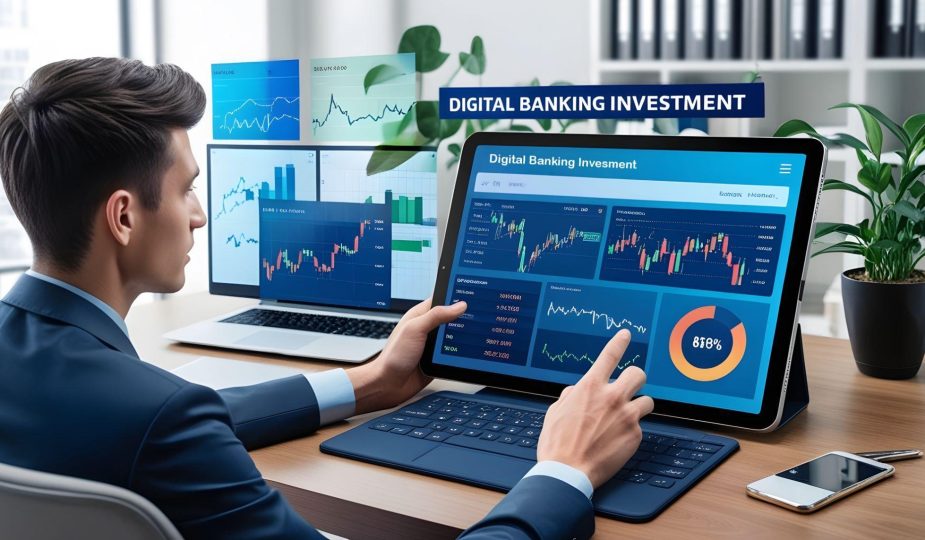
Access to timely market information can significantly influence how traders assess changing conditions. Modern platforms bring pricing, interactive charts, technical indicators, news feeds, and alerts into a single workspace, reducing the need to move between several applications. However, providing more information does not automatically lead to better decisions. The real value lies in presenting relevant data clearly and efficiently.
Three developments are particularly important:
- Live market visibility: Traders can follow price movements and changing market conditions with greater efficiency.
- Custom alerts: Notifications can draw attention to selected price levels, technical signals, or predefined conditions.
- Personalized dashboards: Users can arrange charts, watchlists, and indicators according to their trading preferences.
This approach helps reduce information overload while keeping important market developments within easy reach.
Execution Technology Matters More Than Ever
A trading platform may look sophisticated, but its performance depends on the technology behind the interface. Execution speed, latency, liquidity access, order routing, spreads, and consistency can influence how efficiently trades reach the market. These factors become especially important during volatile periods, when prices can change rapidly, and even small delays may affect trading decisions.
Reliable servers and stable connectivity help platforms process orders smoothly while reducing technical interruptions. Traders should therefore evaluate more than charts and interface design when choosing a platform. A strong user experience should be supported by dependable backend infrastructure capable of handling market activity efficiently. Good execution technology creates a more reliable connection between a trader’s decision and the order being processed.
Automation and Intelligent Tools Are Expanding
Automation is reshaping how traders monitor markets and handle repetitive tasks. Modern platforms offer automated alerts, conditional orders, algorithmic functions, and analytical tools that allow users to respond to predefined market conditions more efficiently. Instead of constantly watching price movements, traders can set notifications or instructions around selected levels and signals. AI and machine-learning features are also being introduced to organize market data, identify potential patterns, and support research.
However, automation does not remove the need for human judgment. Automated tools rely on programmed rules, available data, and user settings, while market conditions can change unexpectedly. Traders should understand how each feature operates, test its functionality, and review its settings regularly to ensure the technology remains appropriate for their trading approach and risk tolerance.
Security Has Become a Core Platform Requirement
As trading becomes increasingly digital, cybersecurity is no longer an optional feature. Trading accounts can contain sensitive financial information and provide access to funds, making strong protection essential.
Important safeguards can include:
- Multi-factor authentication to strengthen account access.
- Encryption and secure sessions to protect sensitive information.
- Verification and monitoring systems to help identify unusual activity.
Traders should therefore assess security, regulatory transparency, and operational controls alongside execution speed and platform functionality.
What Traders Should Expect Next
The next phase of trading technology will likely focus on making platforms smarter rather than simply adding more features. Artificial intelligence could help organize large volumes of market information, while personalized dashboards may make it easier to access tools relevant to individual strategies.
Cloud infrastructure and API connectivity may also give experienced traders greater flexibility when combining platforms with external analytical or automated systems. The challenge will be maintaining simplicity and transparency as these technologies become more sophisticated. A powerful platform should still make it clear what each tool does and where its limitations lie.
Conclusion
Trading platforms are evolving because market participants themselves are changing. Traders want faster access, broader market coverage, better analysis, mobile flexibility, stronger security, and more control from a single environment. At the same time, technology must remain transparent enough for users to understand the risks behind every tool.
The role of top trading brokers is therefore extending beyond providing market access. Their technology, infrastructure, execution standards, security measures, and user experience increasingly shape how traders interact with financial markets. Baazex reflects this broader direction by combining multiple trading environments with access to diverse markets and digital trading tools.